
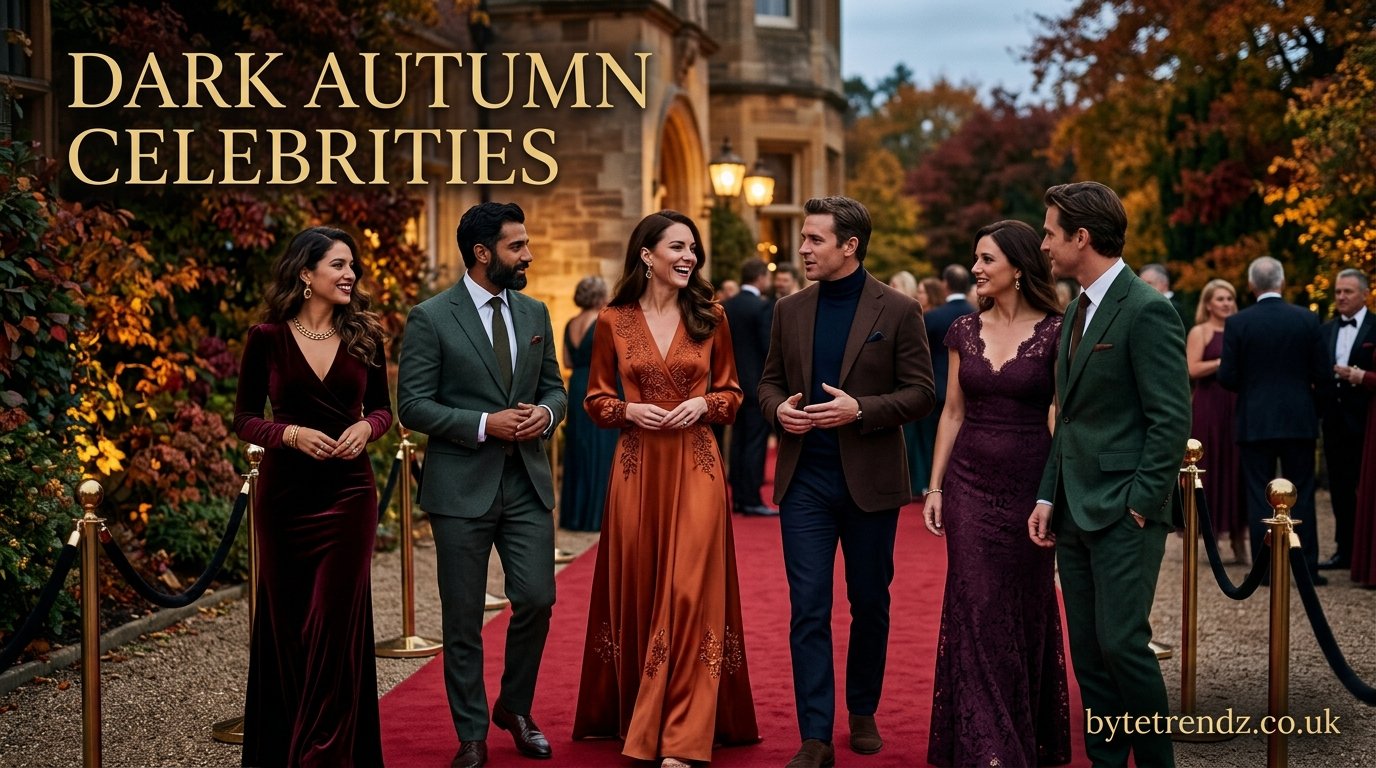

Color analysis has become one of the most talked-about beauty and style topics of the last few years, and the Dark Autumn season sits at the heart of many of these conversations. Sometimes called Deep Autumn, this color type is known for its warmth, depth, and earthy richness. People often turn to celebrities as visual references because it is much easier to understand a color season when you can see it on a familiar face rather than just reading a description. This article walks through what Dark Autumn really means, which well-known figures are commonly associated with it, and how anyone can use this knowledge to build a wardrobe that feels natural and flattering.
What Is the Dark Autumn Color Season
Dark Autumn is one of the twelve or sixteen seasonal color categories used in modern personal color analysis, a system that groups people based on the warmth, depth, and saturation of their natural coloring. This season sits between True Autumn and Deep Winter, borrowing the warmth of autumn while carrying a level of depth and contrast that leans closer to winter tones. People in this category typically have skin that reads warm or neutral-warm, ranging from olive to golden to deep caramel, paired with dark, richly pigmented hair and eyes that hold real intensity.
What sets Dark Autumn apart from other autumn seasons is the combination of warmth and depth happening at the same time. A True Autumn is warm but often lighter or more muted overall, while a Dark Autumn carries a noticeably deeper base. This is why Dark Autumns tend to look best in colors like burnt orange, deep olive, chestnut brown, and warm forest green rather than pastel or icy shades, which can wash out their natural richness.
Why Celebrities Are Used as Color Reference Points
Color analysts and enthusiasts frequently use public figures as case studies because their faces are seen constantly, in many lighting conditions, outfits, and hairstyles. This repeated exposure makes it easier to spot patterns in undertone, contrast, and depth over time. A single red carpet photo can be misleading due to studio lighting or heavy retouching, but looking at a celebrity across dozens of appearances gives a more reliable picture of their natural coloring.
It is worth noting that celebrity color typing is always an educated guess rather than an official classification. Cosmetic procedures, hair dye, tanning, and professional makeup can all shift how someone appears on camera. Even so, these examples remain genuinely useful teaching tools because they translate abstract color theory into something visual and relatable, which is exactly why they show up so often in beauty and style content.
Actresses Often Identified as Dark Autumn
Several well-known actresses are frequently cited as strong examples of the Dark Autumn palette. Halle Berry is one of the names that comes up most often, thanks to her deep, warm skin tone and rich, expressive eyes that pair beautifully with earthy, jewel-toned clothing. Olivia Munn is another commonly referenced example, with her warm undertones and dark hair fitting naturally into this category’s signature richness.
Ana de Armas and Penélope Cruz are also frequently placed in this group, both known for their warm-toned skin and deep brown hair that photographs beautifully in autumnal shades like rust, cognac, and deep teal. Angela Bassett rounds out this list well, since her striking depth and warmth align closely with the bold, grounded colors this season favors. These actresses show how varied Dark Autumn coloring can look while still sharing the same underlying warmth and intensity.
Musicians and Entertainers Linked to Dark Autumn
Outside of film and television, several musicians and entertainers are also commonly discussed in Dark Autumn conversations online. Ariana Grande’s naturally dark hair and warm undertones have led many color analysts to place her in this category, especially when she is seen without cool-toned styling choices. Her look tends to intensify when paired with deep, warm hues rather than icy or pastel colors.
Eiza González is another name that appears often in these discussions, with her medium-to-deep skin tone and rich features aligning closely with the Dark Autumn description. These examples from music and entertainment help show that this color season is not limited to any single industry, ethnicity, or age group, but instead shows up across a wide range of public figures who share a similar underlying warmth and richness.
Key Physical Traits Shared by Dark Autumn Types
People who fall into this season generally share a few recognizable traits, even though individual features can vary quite a bit. Skin tone tends to be warm or neutral-warm, often with golden, olive, or caramel undertones, and it usually falls in the medium to deep range rather than being very fair. Hair color is almost always dark, showing up as deep brown, chestnut, auburn, or nearly black, frequently with a warm rather than ashy quality underneath.
Eye color adds another layer to this picture, with many Dark Autumns having brown, hazel, or deep green eyes that carry real depth rather than a light, bright quality. The overall contrast between skin, hair, and eyes tends to be moderate to high, which is part of why this season can sometimes be confused with Deep Winter. The warmth running through the whole combination is usually the clearest signal that someone belongs to autumn rather than winter.
Best Colors for the Dark Autumn Palette
The Dark Autumn palette centers on rich, warm, and slightly muted colors that echo the natural world during the fall months. Deep olive, burnt orange, warm terracotta, and chestnut brown all sit at the core of this palette, offering the kind of grounded richness that flatters this coloring without overwhelming it. Jewel tones like deep teal, forest green, and warm burgundy also work well, adding a bit more depth and drama when needed.
Neutrals matter just as much as statement colors in this palette. Warm camel, chocolate brown, and deep cream tend to work far better than stark white or cool gray, which can create an unflattering contrast against warm skin. Gold jewelry generally outperforms silver for this same reason, since it echoes the warmth already present in the skin and hair rather than fighting against it.
Colors and Choices to Avoid
Just as certain colors bring out the best in Dark Autumn coloring, others can work against it. Very light pastels, icy blues, and stark cool-toned whites tend to drain warmth from the face, making the complexion look tired or washed out rather than radiant. Neon brights can also clash, since they pull attention away from the natural richness this season already carries.
Cool-toned grays and true black are two more choices worth approaching carefully, since they can create a harsh contrast rather than the soft, grounded depth that suits this palette. This does not mean these colors are completely off-limits, but they generally work better as small accents rather than dominant pieces close to the face, such as a bag or shoes rather than a blouse or scarf.
How to Find Your Own Color Season
While celebrity examples are a helpful starting point, the most accurate way to determine a personal color season is through professional color analysis, ideally done in natural daylight with an experienced analyst. This process typically involves draping different fabric swatches near the face to see which tones bring out natural radiance and which ones create dullness or harsh shadows.
For those who want to start on their own, paying attention to how different colors affect the appearance of under-eye circles, skin texture, and overall glow can offer useful clues. Warm metals like gold, along with earthy tones like olive and rust, are worth testing first if Dark Autumn traits like warm undertones and dark hair already seem to apply. Comparing reactions to warm versus cool fabrics side by side, in consistent lighting, often reveals a clear pattern fairly quickly.
Conclusion
Dark Autumn is a color season built around warmth, richness, and depth, making it one of the more distinctive categories in personal color analysis. Celebrities like Halle Berry, Olivia Munn, Ana de Armas, and Ariana Grande offer useful visual reference points, even though celebrity typing is always an informed guess rather than an official result. Understanding the core traits of this season, from warm undertones to deep, richly pigmented hair, makes it much easier to choose colors that genuinely complement natural coloring rather than fight against it. Whether the goal is refreshing a wardrobe or simply better understanding personal style, learning the basics of Dark Autumn offers a practical, lasting foundation for making confident color choices.
Frequently Asked Questions
What is the difference between Dark Autumn and True Autumn? True Autumn is warm but generally lighter and more muted, while Dark Autumn combines that same warmth with noticeably greater depth and contrast, placing it closer to the winter seasons in overall intensity.
Can someone be both Dark Autumn and Deep Winter? These two seasons can look similar because both carry significant depth, but the deciding factor is undertone. Dark Autumn leans warm, while Deep Winter leans cool, so professional draping is often needed to tell them apart with confidence.
Do Dark Autumns look good in black? Pure black can sometimes create a harsh contrast against warm skin. Many Dark Autumns find that warm, dark browns or deep charcoal shades offer a similar dramatic effect while staying more flattering than true black.
Is celebrity color typing always accurate? No. These classifications are educated estimates based on public appearances, and factors like makeup, lighting, hair dye, and cosmetic procedures can all affect how accurate they are. They work best as general references rather than confirmed facts.
What jewelry works best for Dark Autumn coloring? Gold and warm-toned metals like bronze or copper typically complement this season better than silver, since they echo the natural warmth already present in the skin and hair.
