
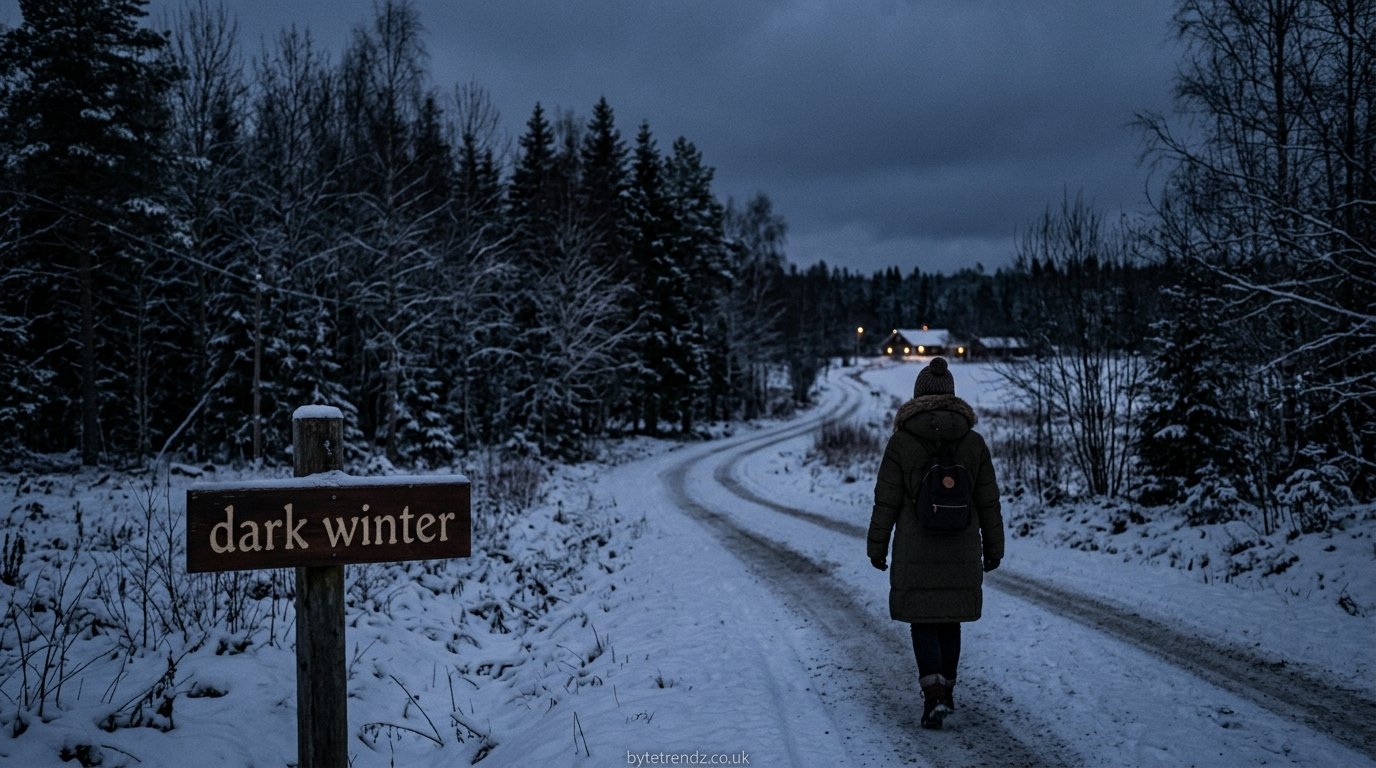

Every year, around the same time, something shifts. Mornings feel heavier. The bed feels harder to leave. Motivation that used to come easily now has to be dragged out of hiding. If this pattern repeats itself every fall and winter — and eases once spring returns — you’re not imagining it, and you’re not alone. This is what people mean when they talk about “dark winter”: the very real dip in mood and energy tied to shorter days and reduced sunlight.
This guide breaks down what dark winter actually is, why it happens, how to tell if what you’re experiencing goes beyond typical winter tiredness, and what genuinely helps — based on how sunlight, sleep, and mood are connected.
What Is “Dark Winter,” Really?
“Dark winter” is a common, informal name for Seasonal Affective Disorder (SAD) — a type of depression that follows the seasons, typically starting in late fall and lifting by spring. It’s recognized in clinical settings as a subtype of major depressive disorder with a seasonal pattern, not just a mood or a phase.
The short answer: less daylight changes brain chemistry and internal timing in ways that can lower mood, drain energy, and disrupt sleep for a specific stretch of the year.
It’s easy to dismiss this as “just winter being winter.” But for a meaningful number of people, the seasonal shift causes symptoms serious enough to interfere with work, relationships, and day-to-day functioning — which is why it deserves to be understood, not brushed off.
Why Winter Affects Mood: The Short Science
Three biological systems are most involved in seasonal mood changes:
Circadian rhythm disruption. Shorter daylight hours shift the body’s internal clock. This affects when the brain releases hormones tied to sleep and wakefulness, often leaving people feeling groggy even after a full night’s rest.
Melatonin overproduction. Reduced light exposure can cause the body to produce melatonin — the sleep hormone — earlier and in larger amounts, contributing to fatigue and a pull toward oversleeping.
Serotonin decline. Sunlight plays a direct role in regulating serotonin, a neurotransmitter tied to mood stability. Less sunlight is linked to lower serotonin activity, which can contribute to low mood, irritability, and carbohydrate cravings.
Together, these shifts explain why dark winter isn’t a mindset problem — it’s a biological response to a changing environment.
Signs of Dark Winter (SAD): What to Watch For
Seasonal mood changes don’t look the same for everyone, but common signs include:
- Persistent low mood or sadness that shows up seasonally
- Oversleeping, or trouble waking up feeling rested
- Low energy and fatigue, even with adequate sleep
- Increased cravings for carbohydrates and weight changes
- Withdrawing from friends, family, or social plans
- Difficulty concentrating or staying motivated
- A general sense of heaviness or “shutting down” during winter months
One or two of these on a rough week isn’t necessarily SAD. The pattern matters more than any single symptom — specifically, whether it recurs at the same time each year and eases as the season changes.
When It’s More Than Just “Winter Blues”
Feeling a little slower or less social in winter is common and doesn’t automatically mean something is wrong. The distinction generally comes down to severity and impact.
Mild seasonal dips might mean lower energy or less enthusiasm for going out, while things like work, relationships, and daily routines stay largely intact. Clinical SAD tends to noticeably interfere with functioning — missed work, withdrawal from people you care about, or persistent hopelessness that doesn’t lift on its own.
If symptoms are affecting your ability to function, or if low mood is accompanied by thoughts of hopelessness or not wanting to be here, that’s a sign to talk to a doctor or mental health professional rather than wait it out. This isn’t something to self-diagnose from a blog post — a healthcare provider can properly assess what’s going on and rule out other causes.
What Actually Helps With Dark Winter
The good news: SAD is one of the more well-researched and treatable forms of depression. Most approaches focus on addressing the underlying causes — light exposure, routine, and brain chemistry — rather than just managing symptoms.
1. Light Exposure
Since reduced sunlight is a core driver of seasonal mood changes, increasing light exposure is often the first line of support.
- Get outside during daylight hours when possible, even for 15–20 minutes
- Sit near windows during the day rather than in dim interior spaces
- Consider a light therapy box (10,000 lux, used in the morning) — one of the most studied non-drug interventions for SAD
2. Movement and Routine
Regular movement supports the same neurotransmitters affected by reduced sunlight, and consistent routines help stabilize a circadian rhythm that winter tends to throw off.
- Aim for consistent sleep and wake times, even on weekends
- Short daily walks, ideally outdoors, are more effective than skipped days followed by intense workouts
- Movement doesn’t need to be intense to help mood — consistency matters more than intensity
3. Nutrition Basics
While food isn’t a fix on its own, some nutritional factors are linked to mood regulation.
- Vitamin D levels often drop in winter due to reduced sun exposure; a healthcare provider can check levels and advise on supplementation
- Balanced meals help offset the carb-heavy cravings common with SAD, without requiring restrictive dieting
4. Social Connection
Withdrawal is one of the most common — and most self-reinforcing — symptoms of dark winter. Isolation tends to deepen low mood, even when socializing feels like the last thing you want to do.
- Keep at least one regular social commitment on the calendar through winter
- Low-effort connection (a call, a short coffee) still counts and can help break the cycle
5. Professional Support
For moderate to severe symptoms, self-help strategies alone may not be enough — and that’s normal, not a failure.
- Talk therapy, particularly CBT adapted for seasonal patterns, has strong evidence behind it
- In some cases, a doctor may discuss medication as part of a treatment plan
- A healthcare provider can also rule out other conditions that share symptoms with SAD
Small Daily Habits That Add Up
Big lifestyle overhauls are hard to sustain — especially when energy is already low. These smaller habits tend to be easier to keep up through the season:
- Open the blinds first thing in the morning
- Take a short walk during daylight hours, even if it’s cold
- Set a consistent wake-up time, including weekends
- Keep one recurring social plan on the calendar
- Check in with yourself weekly: is this a rough patch, or a pattern?
Fial Thoughts
Dark winter is a real, biologically-driven response to shorter days — not a character flaw or something to simply push through. For many people, small, consistent changes around light, movement, and connection make a meaningful difference. For others, it’s a sign to loop in a professional, and that’s just as valid a response.
If winter has started to feel heavier than it should, that’s worth paying attention to — and worth talking to someone about.
Frequently Asked Questions
What does “dark winter” mean? “Dark winter” is a common term for Seasonal Affective Disorder (SAD), a type of depression linked to reduced sunlight during fall and winter months.
Is dark winter the same as Seasonal Affective Disorder (SAD)? Yes. “Dark winter” is an informal name people use for SAD, which is a clinically recognized subtype of depression with a seasonal pattern.
How long does dark winter last? For most people, symptoms begin in late fall, peak during the darkest winter months, and improve as daylight increases in spring.
Can dark winter go away on its own? Mild symptoms often ease as days lengthen, but moderate to severe SAD typically responds best to active steps like light therapy, routine changes, or professional support rather than waiting it out.
When should I see a doctor about dark winter symptoms? If low mood, fatigue, or withdrawal are affecting your ability to work, maintain relationships, or function day-to-day — or if you’re having thoughts of hopelessness — it’s time to talk to a healthcare provider.
