
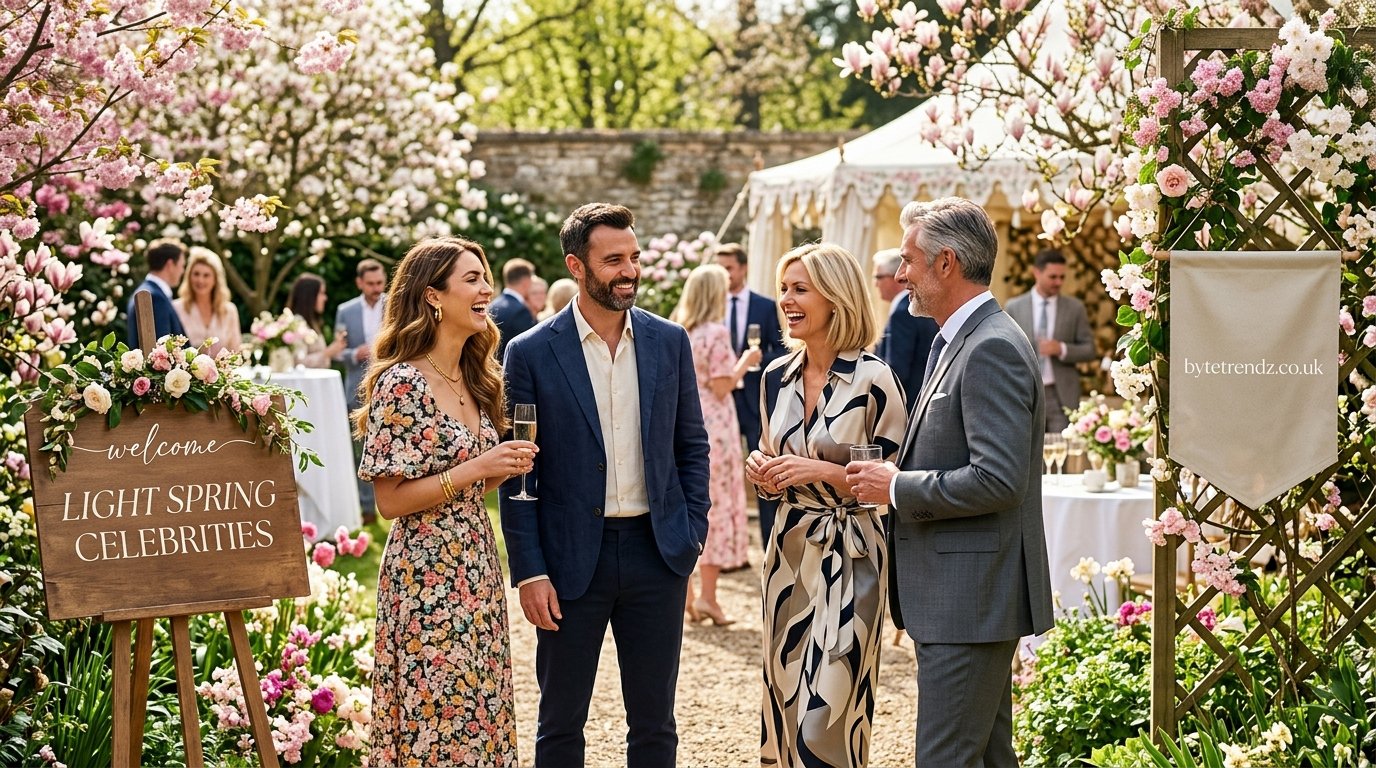

What Is the Light Spring Color Season?
Light Spring is one of the twelve seasonal color types used in seasonal color analysis, a styling method that matches clothing, hair, and makeup shades to a person’s natural coloring. It sits between Light Summer and True Spring on the seasonal color wheel, borrowing the softness of a summer palette but keeping the warmth that belongs to spring. People often discover their season through a professional draping session, where different fabric swatches are held near the face to see which ones bring out a natural glow and which ones flatten the complexion.
The defining trait of Light Spring is a gentle balance between brightness and softness. The colors associated with this season are never muddy or heavy, yet they are not as saturated as the bold shades worn by a True Spring or Bright Spring. Think of pale peach, soft coral, buttery yellow, mint green, and light aqua. These shades work because they mirror the delicate, warm-toned features that Light Springs naturally have, creating a look that feels effortless rather than styled.
Understanding your color season, including whether you lean toward Light Spring, can make shopping and getting dressed far less stressful. Instead of guessing which shades suit you, you have a reliable starting point rooted in the undertone, depth, and clarity of your natural coloring.
Key Characteristics of Light Spring Skin, Hair, and Eyes
People in the Light Spring category typically have fair to light-medium skin with a warm golden or peachy undertone. The skin often has a luminous quality, almost as if it catches sunlight easily, which is part of why deep or overly cool shades can look harsh against it. Freckles are common, and the overall complexion tends to appear fresh and healthy rather than deeply pigmented.
Hair color for Light Springs usually falls somewhere between light blonde and light golden brown, sometimes with strawberry or honey undertones. Because the natural contrast between hair and skin tends to be low, Light Springs generally look best avoiding harsh, high-contrast hair colors like jet black or ash tones, which can overwhelm their softer features. Eye color adds another layer to the picture, ranging from light blue and green to soft hazel, almost always with a bright, clear quality rather than a smoky or deep tone.
Taken together, these traits create a look that seasonal color analysts describe as “light, warm, and clear.” No single feature defines the season on its own; it is the combination of low contrast, warm undertone, and light-to-medium depth that places someone in the Light Spring category rather than a neighboring season like Light Summer or True Spring.
Light Spring Celebrities Who Define the Palette
Several well-known celebrities are frequently cited by stylists and color analysts as strong examples of the Light Spring palette. <cite index=”3-1″>Elle Fanning is often mentioned as a classic Light Spring, thanks to her fair complexion, light blonde hair, and clear blue eyes</cite>. Her red-carpet looks often lean into soft pastels and warm neutrals, which is exactly the kind of styling that flatters this season.
<cite index=”4-1″>Sophie Turner is another commonly referenced example, with her delicate fair skin carrying a hint of warmth, along with natural blonde hair and pale blue eyes</cite>. <cite index=”4-1″>Lili Reinhart is also frequently pointed to, since her fair, warm-toned skin, light blonde hair, and green eyes align closely with the soft and warm hues that define Light Spring</cite>. These examples show how the season can apply to a range of hair shades and eye colors, as long as the underlying warmth and lightness remain consistent.
Taylor Swift is one of the most talked-about Light Spring examples online, largely because her natural blonde hair, blue eyes, and fair skin photograph beautifully in soft, warm pastels. It is worth noting that celebrities can shift their appearance dramatically through hair dye, makeup, and lighting, so public discussions about a star’s season are usually educated observations rather than official confirmations from a professional colorist.
Why Taylor Swift Is a Popular Reference Point
Taylor Swift comes up constantly in conversations about the Light Spring palette, and there are practical reasons for that. Her natural coloring includes fair skin with warm undertones, light blonde hair, and blue eyes, all of which fit the season’s core traits. Fans and stylists often point to her eras where she wore soft blues, warm ivories, and light corals as visual proof of how well the palette suits her.
At the same time, her career has included bold reinventions with darker hair and richer tones, which gives color analysis enthusiasts an easy before-and-after comparison. When her styling leans into deep black, stark white, or heavily saturated colors, some analysts argue the look reads as slightly harsher against her natural softness, reinforcing the idea that lighter, warmer tones are more harmonious with her coloring.
This kind of before-and-after discussion is common in the color analysis community, since it helps people visualize the difference a well-matched palette can make, even for someone as recognizable as a global pop star.
Light Spring vs. Other Spring Subtypes
Spring, as a broad seasonal category, splits into three subtypes: Light Spring, True Spring, and Bright Spring. All three share warm undertones, but they differ in depth and intensity. True Spring tends to have slightly more richness and saturation in both features and best colors, while Bright Spring is defined by high clarity and vividness, often suiting jewel-bright shades that would overwhelm a Light Spring.
Light Spring, by contrast, is the softest of the three. <cite index=”6-1″>Bright Spring is instead associated with vivid coral, true red, golden yellow, and fresh greens</cite>, colors with far more punch than the muted pastels that suit Light Spring. Someone with naturally deeper hair or more saturated eye color is more likely to fall into True Spring or Bright Spring rather than Light Spring, even if their undertone is equally warm.
This is why professional draping is so useful. Two people can share a similar warm undertone yet belong to entirely different spring subtypes once depth and clarity are factored in, and wearing the wrong subtype’s palette can make even objectively pretty colors look slightly off on a given face.
Light Spring vs. Light Summer
Because both seasons include the word “light,” people often confuse Light Spring with Light Summer, but the undertone is the key difference. Light Spring is warm, meaning gold, peach, and honey tones dominate the palette, while Light Summer is cool, favoring soft blues, lavenders, and rosy pinks instead. Someone who looks radiant in warm ivory may look washed out in cool white, and that single swap often reveals which of the two seasons is the better fit.
Skin undertone is usually the clearest signal. Light Springs tend to have a golden or peachy cast to their skin, even if it is very fair, while Light Summers carry a cooler, slightly pink or neutral cast. Hair color can overlap significantly between the two seasons, which is part of why relying on hair alone to guess a season is unreliable.
Trying on both a warm-toned and a cool-toned version of the same light pastel color, such as peach versus baby pink, is one of the simplest ways to see the difference in person before committing to a full color analysis.
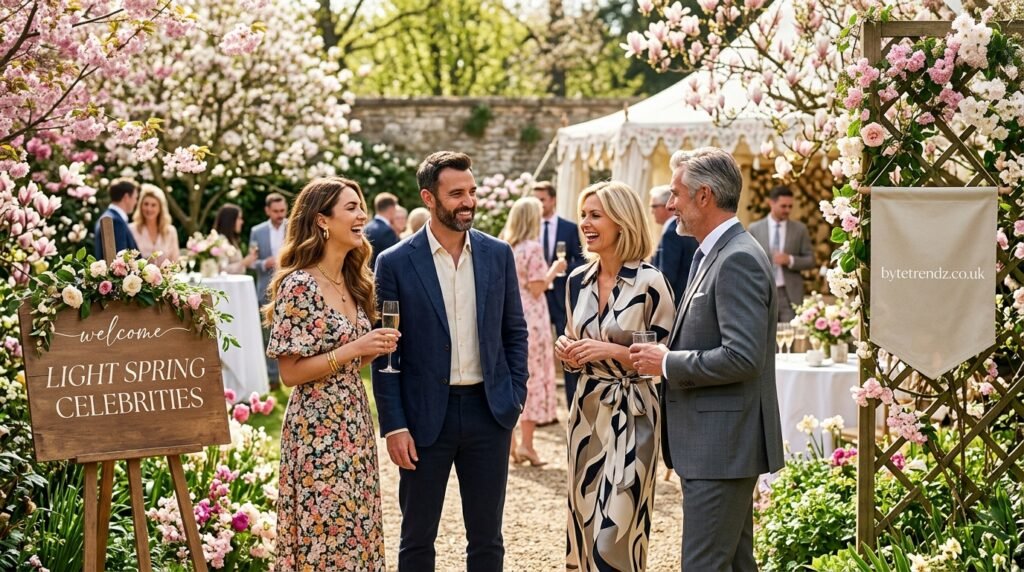
Best Colors for Light Spring Individuals
The Light Spring palette centers on colors that are light, warm, and clear rather than deep or muted. Soft coral, peach, apricot, warm ivory, buttery yellow, and light aqua all work well, as do gentle greens like mint and seafoam. These shades echo the natural warmth and brightness already present in Light Spring skin, hair, and eyes, which is why they tend to photograph so well.
Metallics also matter in this palette. Light gold jewelry generally suits Light Springs better than silver, since gold tones harmonize with the warm undertone rather than competing against it. When it comes to neutrals, warm beige, soft camel, and light warm gray work far better than stark black or cool charcoal, which can feel disconnected from the softness of the overall coloring.
Makeup follows the same logic. Warm peachy blushes, soft coral lipsticks, and golden-toned eyeshadows tend to look more natural on Light Spring complexions than blue-based reds or cool taupe shades, which can appear slightly out of place against warmer skin.
Colors to Avoid If You’re a Light Spring
Just as certain shades bring out a Light Spring’s natural glow, others tend to work against it. Very dark, heavy colors like true black, deep navy, and charcoal gray are usually the biggest offenders, since they create too much contrast against fair, light features and can make the face look tired or washed out by comparison. Cool-toned shades, including icy blue, pure white, and cool-based fuchsia, present a similar problem because they clash with the underlying warmth of Light Spring skin.
Overly muted or dusty colors can also be tricky, since Light Spring thrives on clarity rather than a grayed-down, muted finish. A dusty rose or muted olive, for example, might look better on an autumn or summer season than on a Light Spring, where colors need to stay light and slightly bright to feel harmonious.
None of this means these shades are permanently off-limits. Many stylists suggest using darker or cooler colors sparingly, perhaps in a small accessory or pattern, rather than eliminating them entirely, so the overall look still leans toward the lighter, warmer palette that suits the season best.
How to Find Out If You’re a Light Spring
The most reliable way to confirm a Light Spring season is through professional color draping, where a trained analyst holds a series of fabric swatches near the face in natural light. This method accounts for undertone, depth, and contrast all at once, which is difficult to judge accurately through photos or guesswork alone. Many stylists now also offer virtual color analysis sessions, making the process more accessible for people who cannot visit a studio in person.
For those who want to experiment before booking a session, a simple at-home test involves comparing warm pastels against cool pastels near the face in daylight, without makeup. Noticing which group makes the skin look brighter and more even, rather than sallow or flushed, can offer a useful hint. Photographing the comparisons can help since it is often easier to spot the difference in a photo than in a mirror.
It is worth remembering that hair color, tanning, and even lighting can all create temporary shifts in appearance, so retesting periodically, especially after a major hair color change, can help keep a color analysis accurate over time.
Conclusion
Light Spring is a warm, soft, and clear color season that suits people with fair skin, light warm-toned hair, and bright, light eyes. Celebrities like Elle Fanning, Sophie Turner, Lili Reinhart, and Taylor Swift are frequently used as reference points because their natural coloring lines up closely with the season’s defining traits. Knowing the difference between Light Spring and neighboring seasons like Light Summer, True Spring, and Bright Spring makes it much easier to choose flattering colors with confidence, whether that means picking out a new wardrobe staple or simply understanding why certain shades always seem to work better than others.
FAQs
What does it mean if someone is a Light Spring? It means their natural skin, hair, and eye coloring is light in depth, warm in undertone, and clear rather than muted, which makes soft warm pastels the most flattering color choices.
Is Taylor Swift officially confirmed as a Light Spring? No official confirmation exists. She is commonly discussed as a Light Spring example based on her fair skin, blonde hair, and blue eyes, but public color analysis is typically an educated observation rather than a professional verdict.
How is Light Spring different from Light Summer? Light Spring has a warm undertone and favors peach, coral, and gold tones, while Light Summer has a cool undertone and favors blue-based pastels like soft lavender and dusty pink.
Can hair dye change someone’s color season? Hair dye can change the surface appearance, but a true color season is based on natural undertone, which stays fairly consistent. A professional analysis usually looks past dyed hair to assess skin and eye characteristics.
Do Light Springs have to avoid black completely? Not entirely, but wearing head-to-toe black can wash out the softness typical of this season. Using black sparingly, such as in a small accessory, tends to work better than large blocks of the color.
