
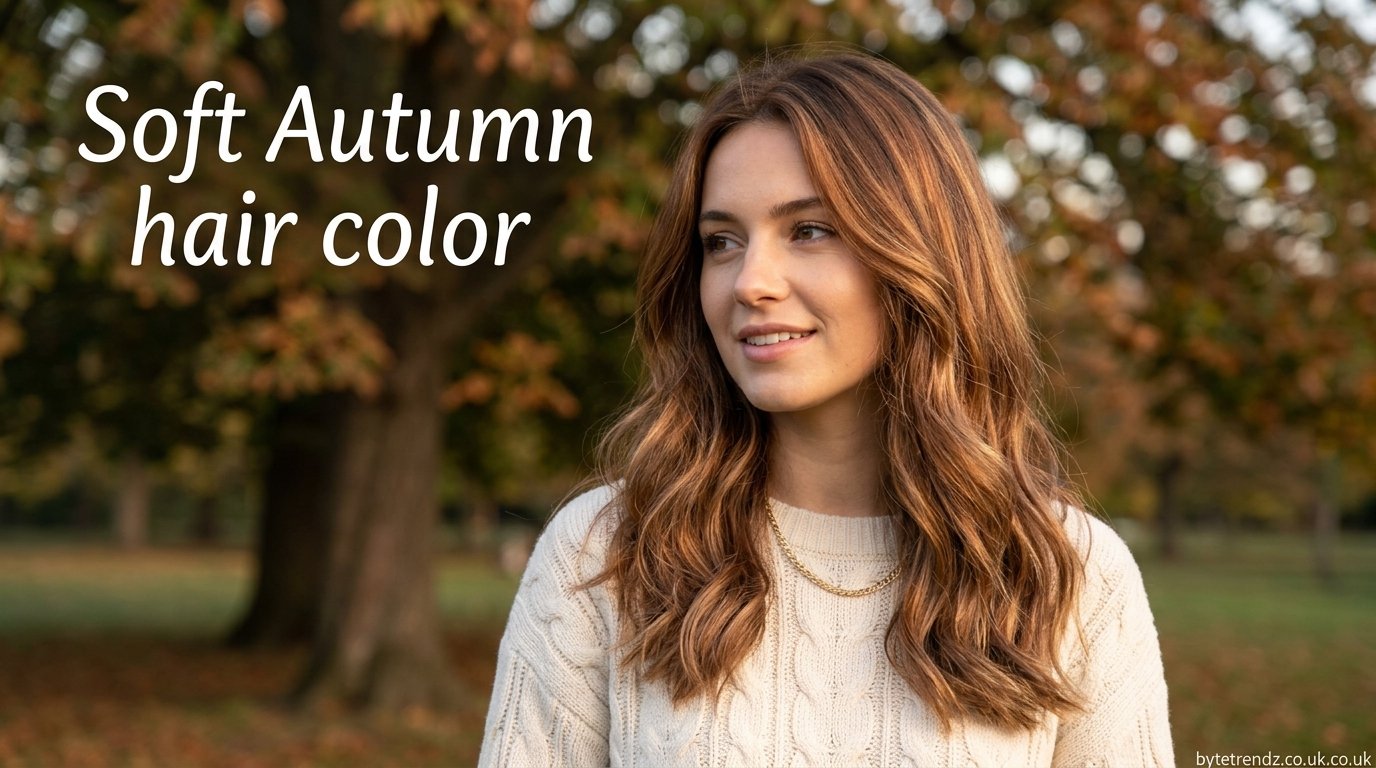

Choosing a hair color that truly complements your natural coloring can feel overwhelming, especially with so many trends and shades to pick from. If you belong to the Soft Autumn seasonal color category, your ideal hair colors follow a specific pattern: warm, muted, and gentle rather than bold or icy. Understanding this palette can save you from a salon visit that leaves you disappointed and help you walk out with a shade that genuinely brightens your complexion. This guide breaks down everything you need to know about soft autumn hair color, from the science behind it to practical tips for maintaining your new shade.
What Does Soft Autumn Mean in Color Analysis
Soft Autumn is one of the twelve seasons used in seasonal color analysis, a system that groups people based on their skin undertone, natural hair color, and eye color. This particular season sits at the crossroads of warmth and softness, meaning your coloring carries a golden or peachy undertone but without the high intensity seen in Warm Autumn or the coolness found in Soft Summer. People with this coloring often have hazel, soft brown, or muted green eyes paired with skin that leans warm beige or golden.
What sets Soft Autumn apart from other autumn seasons is the low contrast between skin, eyes, and natural hair. There is nothing sharp or dramatic about this combination. Instead, everything blends together in a soft, cohesive way. This is exactly why hair color choices matter so much for this group. A shade that is too vivid or too ash-toned will disrupt that natural harmony, while a warm and muted tone will enhance it beautifully.
Why Hair Color Choice Matters So Much for This Season
Your hair frames your face more than almost any other feature, which means it has an outsized effect on how balanced or mismatched your overall look appears. For someone with Soft Autumn coloring, the wrong hair shade can make skin look sallow, tired, or dull, even if the rest of the makeup and outfit are on point. This happens because cool or overly bright colors clash with the warm undertone already present in the skin.
On the other hand, when the hair color aligns with your natural warmth, it creates a seamless transition between your hairline and your complexion. This is often why people say a haircut or color “just works” without being able to explain exactly why. The color is doing the quiet work of tying everything together, reducing visual tension and letting your natural features stand out instead of competing with an unflattering shade.
The Best Hair Colors for Soft Autumn
The most universally flattering choice for this season is a warm medium brown, sometimes described as mushroom brown or toffee brown. This shade carries a gentle golden undertone and sits at a moderate depth, meaning it is neither too dark nor too pale. It acts almost like a neutral base that pairs well with nearly every Soft Autumn skin tone.
Beyond medium brown, other flattering options include honey blonde, warm chestnut, soft copper, and muted auburn. Each of these shades shares a common thread: visible warmth without excessive brightness. Caramel tones also work particularly well because they add dimension without overwhelming the face. If you prefer something with more red, a muted auburn gives depth while still respecting the softness that defines this palette.
Shades to Avoid If You Are a Soft Autumn
Just as important as knowing what works is understanding what to avoid. Jet black is one of the biggest mismatches for this season because it creates far too much contrast against soft, muted features, making the face look harsh rather than balanced. Platinum blonde and ash-toned shades are equally problematic since they strip away the warmth that defines Soft Autumn coloring entirely.
Cool-toned reds, such as bright cherry or deep burgundy, also tend to clash rather than complement. The same goes for any color described using words like icy, silvery, or cool-toned, since these all pull in the opposite direction of what this season needs. If you are naturally going gray and want coverage, it is worth requesting warm golden or honey tones from your colorist rather than the cool neutral shades often used as a default.
How to Talk to Your Colorist About Soft Autumn Hair Color
Walking into a salon with the right vocabulary can make a big difference in getting the result you want. Instead of vague requests, try asking for a level six or seven warm brown with golden undertones, or describe it as mushroom brown with warmth. Mentioning that you want to avoid ash or cool tones helps the colorist choose the right toner and formula from the start.
If you are hesitant about a full color change, highlights or balayage are a gentle way to introduce warmth without committing to an all-over transformation. Ask specifically for golden or honey-toned highlights rather than letting the colorist default to a cooler blonde, which is a common studio default that does not suit this season. Bringing reference photos of caramel balayage or warm chestnut color can also help communicate exactly the tone you are aiming for.
Soft Autumn Hair Color for Naturally Dark Hair
If your natural hair is already dark, you might be wondering whether you need to change anything at all. The answer depends on the undertone of your natural shade. If your dark hair leans warm, such as a soft black or deep brown with golden undertones, you may already be wearing a color that flatters your complexion without any adjustment needed.
However, if your natural hair is a cool, ashy dark shade, lightening slightly toward a warm mushroom brown, toffee, or honey blonde will likely suit you better. The important thing to remember is that the goal is adding warmth, not necessarily making the hair lighter. Many people find success by starting with warm-toned highlights before deciding whether to commit to a full color change, since this allows for a gradual transition that is easier to reverse if needed.
Styling and Maintenance Tips for Soft Autumn Hair Colors
Soft, muted colors tend to fade faster than bold or heavily pigmented shades, so a good maintenance routine matters. Using color-safe shampoo and conditioner helps preserve the warmth and shine of tones like caramel brown or honey blonde. Limiting exposure to harsh sun and chlorine also slows down fading, keeping the color looking fresh between salon visits.
In terms of styling, loose waves, soft layers, and gently tousled finishes tend to complement the Soft Autumn palette better than sleek, high-contrast styles. This is because the softness of the hairstyle echoes the muted quality of the color itself, reinforcing that low-contrast harmony the whole look is built around. If you notice your color starting to look brassy or uneven, a toning treatment every few weeks can help maintain the balance between warmth and softness.
Celebrities and Real-Life Examples of Soft Autumn Hair
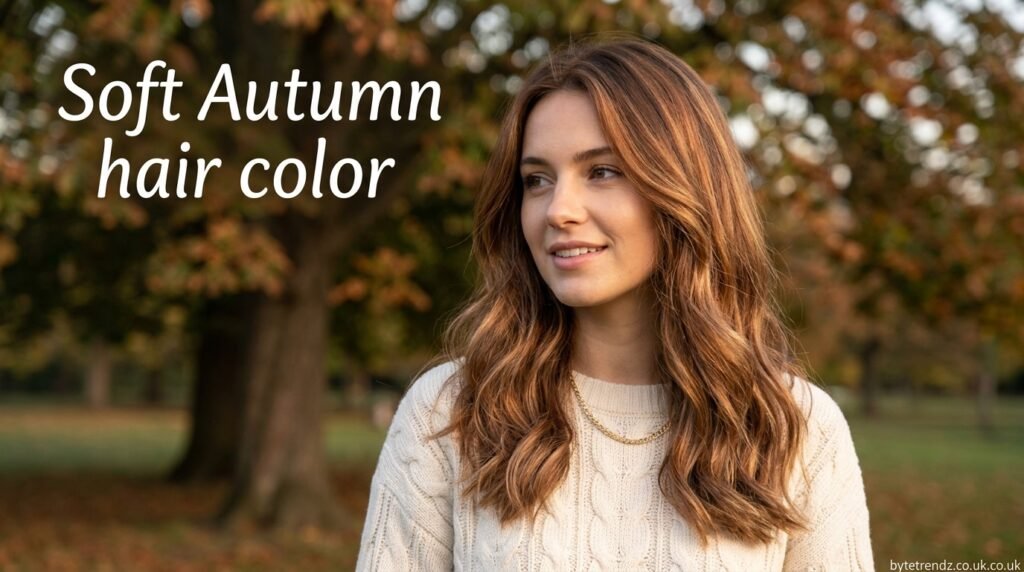
Looking at real examples can make the theory behind Soft Autumn much easier to visualize. Gisele Bündchen is frequently cited as a textbook example, often wearing a soft golden bronde with caramel lowlights that blends warmth and low contrast seamlessly. Her hair color choice highlights exactly how this palette should look when done well.
Other public figures with warm, muted coloring often choose soft golden-brown or hazelnut shades, which keep their overall look natural rather than harsh. These examples reinforce a simple truth: the most flattering Soft Autumn hair colors rarely look dramatic in isolation. Instead, they look effortless, as though the color was always meant to be there, which is really the entire point of matching hair color to your natural seasonal palette.
Common Mistakes People Make With This Hair Color Palette
One frequent mistake is chasing trends that do not account for undertone, such as opting for a trendy ash blonde or icy balayage without considering how it interacts with warm skin. Even if a color looks stunning on someone else, it can fall flat or work against your features if your undertone does not match theirs.
Another common misstep is going too dark or too light without adding warmth. Simply changing the depth of a hair color, without adjusting the undertone, rarely solves the problem of a mismatched look. People also sometimes forget that their hair color needs to work in harmony with their makeup and clothing choices, not just their skin tone in isolation. When all three elements share the same warm, muted quality, the entire appearance feels more cohesive and put together.
Conclusion
Soft Autumn hair color is really about respecting your natural warmth and choosing shades that feel like an extension of your existing coloring rather than a departure from it. Warm browns, honey blondes, muted auburns, and soft copper tones all work well, while jet black, platinum, and cool-toned reds tend to fight against this season’s natural softness. Whether you decide to embrace a subtle change through highlights or commit to a full color transformation, the key is prioritizing warmth and low contrast above all else. With the right shade and a little maintenance, your hair color can become one of the most effortless and flattering parts of your overall look.
Frequently Asked Questions
How do I know if I am a Soft Autumn?
You likely fall into this category if you have warm, muted skin with golden or peachy undertones, along with hazel, soft brown, or muted green eyes. Bright or very cool colors tend to overwhelm your natural coloring, while warm, soft shades feel balanced.
Can Soft Autumns dye their hair blonde?
Yes, but the blonde needs to lean warm rather than icy. Honey blonde or dark golden blonde works well, and adding subtle lowlights can help soften the color if it feels too bright.
Is black hair ever suitable for Soft Autumn?
Jet black is generally too harsh and creates excessive contrast against Soft Autumn’s soft features. A deep, warm brown is usually a better alternative if you want a darker shade.
How often should I refresh my soft autumn hair color?
Since muted, warm tones can fade faster than more saturated colors, most people benefit from a toning refresh every four to six weeks, along with color-safe hair care between visits.
What is the difference between Soft Autumn and Warm Autumn hair colors?
Both seasons share warm undertones, but Warm Autumn leans toward richer, more saturated shades like deep auburn or burnt orange, while Soft Autumn stays in a more muted, toned-down range such as toffee or soft chestnut.
